
Making Rainy Days Livable: Pergolas, Gazebos, and Outdoor Rooms in the Pacific Northwest
Living in the Pacific Northwest means learning to make peace with the rain. Not by hiding from it, but by designing around it.
In recent years, high-end homeowners across Western Washington have been rethinking how they use their outdoor space. Instead of treating patios and decks as fair-weather extras, more people are investing in outdoor rooms, pergolas, gazebos, and covered spaces that make it genuinely enjoyable to be outside, even on those gray, misty days we know so well.
The result isn’t just more square footage, it’s a better way of living.
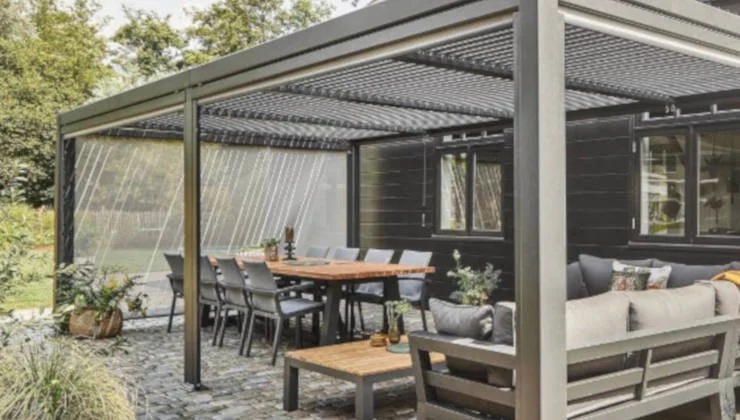
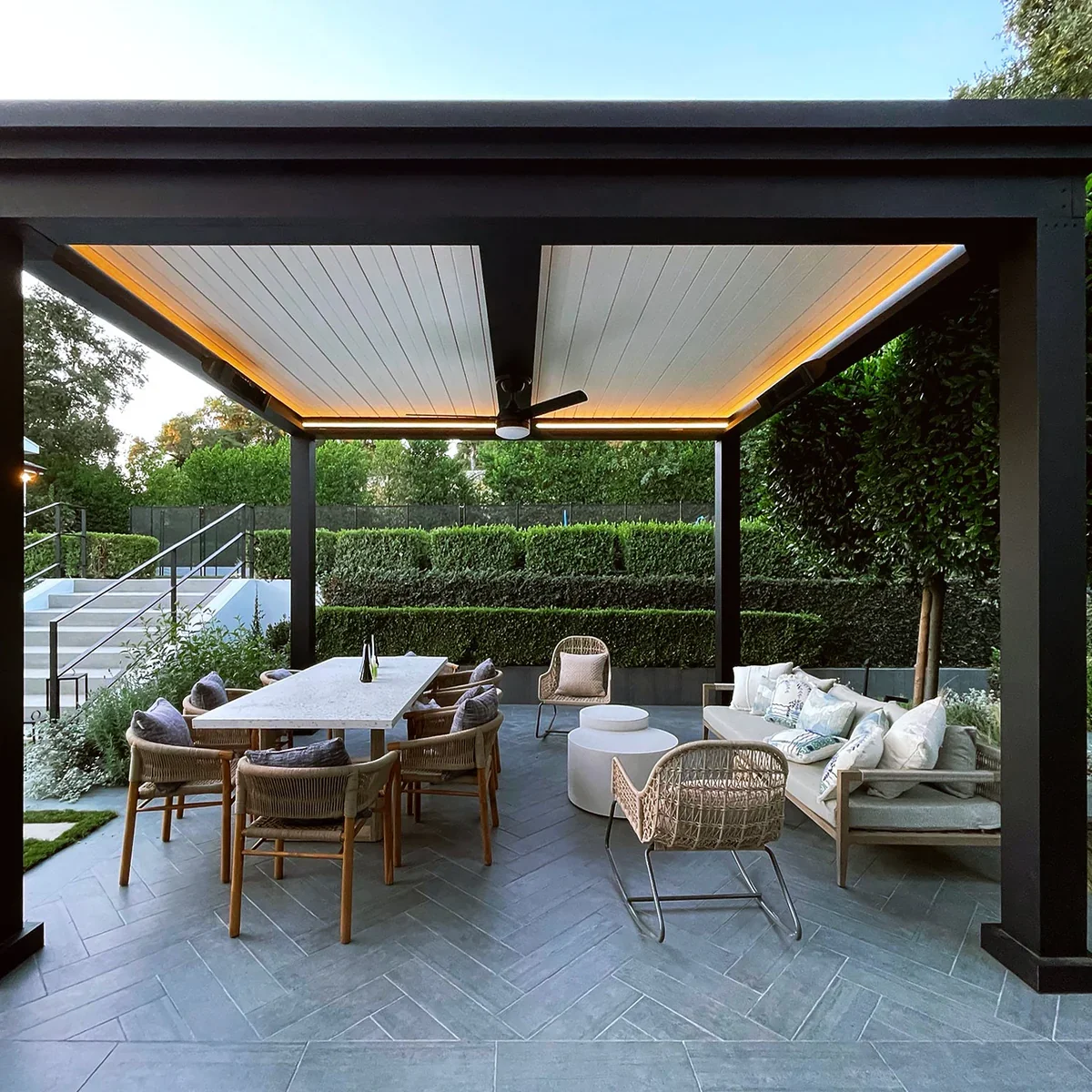
What Is an Outdoor Room?
An outdoor room is exactly what it sounds like: a space outside the home that feels intentional, comfortable, and designed to be used regularly.
Unlike a basic deck or patio, outdoor rooms often include:
Overhead structure for shelter
Defined seating or dining areas
Lighting, heat, and sometimes screens or walls
Materials and proportions that match the home’s architecture
The goal isn’t to escape the outdoors, it’s to experience it more comfortably.
In the Pacific Northwest, that usually means designing for rain, low light, and cooler temperatures without losing the sense of openness that makes outdoor spaces special.
Pergolas vs Gazebos: What’s the Difference?
Both pergolas and gazebos can anchor an outdoor room, but they serve slightly different purposes.
Pergolas
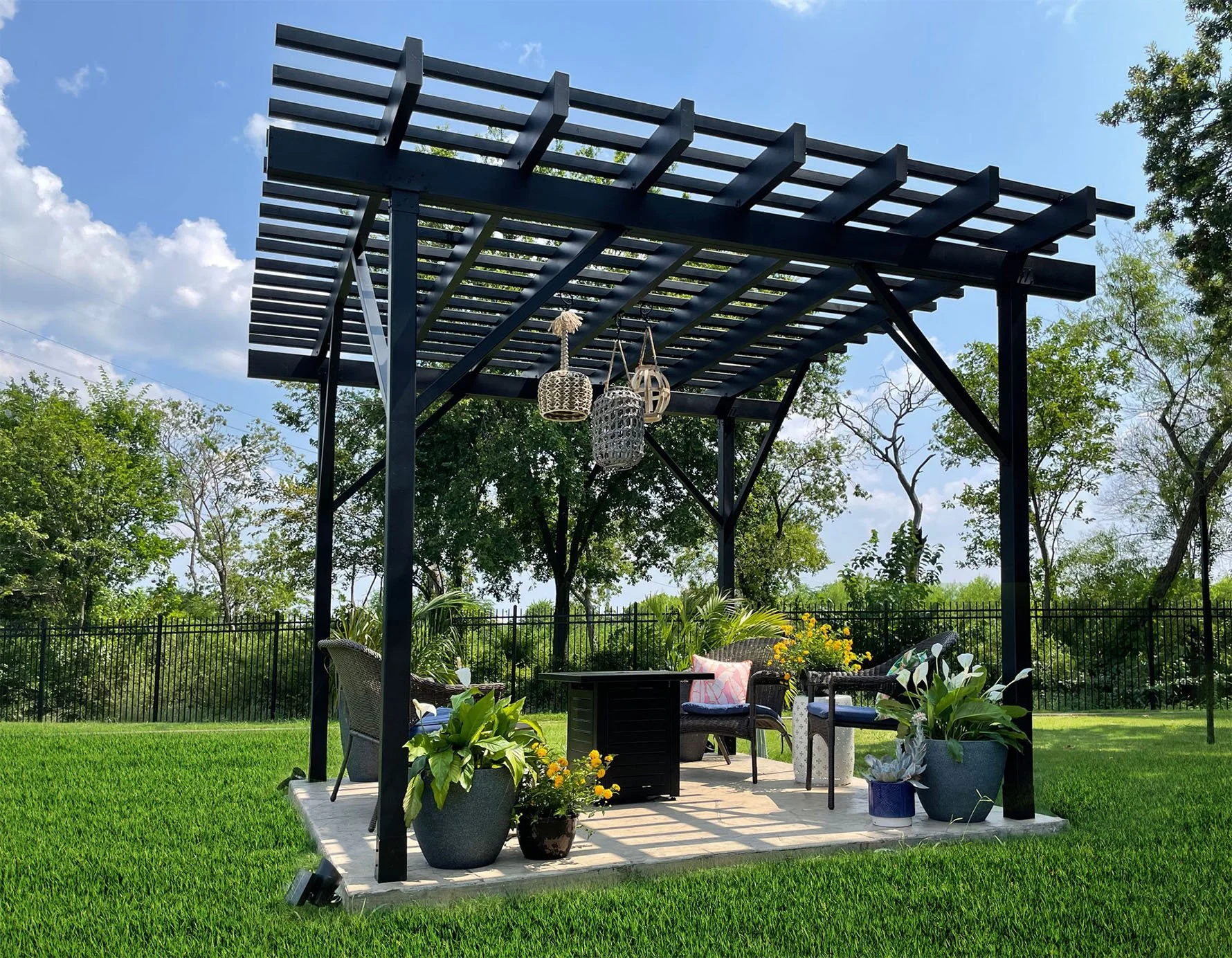
Pergolas are partially open structures that filter light and provide visual definition without fully enclosing the space.
They work especially well for:
Outdoor dining areas
Lounges with fire features
Transitional spaces between house and landscape
In Western Washington, pergolas are often paired with thoughtful roof designs, slatted or louvered systems, or integrated waterproof elements that provide real protection without making the space feel closed in.
Gazebos
Gazebos are typically fully roofed structures and offer more complete shelter from rain.
They’re ideal for:
Year-round use
Hot tubs or spas
Quiet retreat spaces
Properties exposed to heavier weather
Because gazebos have a stronger architectural presence, proportion, materials, and detailing matter even more. When done well, they feel like a natural extension of the home rather than a standalone feature.
Why Outdoor Rooms Are Taking Off in the PNW
This trend isn’t about novelty. It’s about lifestyle.
In Western Washington:
The climate is mild but wet
Homes often sit in beautiful natural settings
People want to enjoy views, trees, and water year-round
An outdoor room allows homeowners to step outside without committing to full exposure. You can have coffee while it drizzles, host friends on an overcast evening, or sit by a fire without worrying about weather cutting the moment short.
For many clients, these spaces end up being used more than formal living rooms.
Designing for Rain Without Losing the Outdoors
The biggest mistake we see with outdoor structures is overcorrecting for weather.
Too much enclosure, bulky framing, or poorly considered roofs can make a space feel dark, heavy, or disconnected from its surroundings. The best outdoor rooms strike a balance, they protect without isolating.
That balance comes from:
Slim structural profiles
Thoughtful roof geometry
Strategic openness to light and views
Materials that perform well in wet conditions
When done right, rain becomes part of the atmosphere rather than something to avoid.
Material Choices Matter More Than Most People Expect
In the Pacific Northwest, material selection isn’t just aesthetic, it’s practical.
Wood alone can limit span, durability, and long-term performance, especially in damp environments. Steel and aluminum allow for:
Longer, cleaner spans
Thinner profiles
Better resistance to movement and moisture
More flexibility in design
Many of the most successful outdoor rooms use mixed materials, combining the warmth of wood with the strength and precision of metal. This approach allows the structure to feel inviting while remaining durable and low-maintenance over time.
Details matter too. Drainage, fasteners, coatings, and connections all play a role in how a structure ages. A pergola should feel as solid and intentional in ten years as it does on day one.
Outdoor Rooms as an Architectural Extension of the Home
The most compelling outdoor spaces don’t feel “added on.”
They align with:
The home’s proportions
Rooflines and geometry
Material palette
How people actually move through the space
When an outdoor room is designed in conversation with the home, it feels inevitable, as though the house was always meant to extend outward.
This is especially important in high-end custom homes, where coherence matters. A well-designed pergola or gazebo can quietly become one of the defining features of the property.
Long-Term Value Beyond Aesthetics
While outdoor rooms are undeniably beautiful, their real value is experiential.
They:
Increase usable living space
Encourage time outdoors year-round
Support hosting and daily rituals
Age gracefully when built correctly
In many cases, they also add to resale appeal, not because they’re flashy, but because they signal thoughtful design and quality construction.
For homeowners thinking long-term, these spaces are less about trends and more about how a home is lived in.
Making the Outdoors Livable, Not Seasonal
Rainy days don’t have to push life indoors.
With the right design, pergolas, gazebos, and outdoor rooms make it possible to enjoy fresh air, views, and connection to the landscape, even when the weather isn’t perfect.
In the Pacific Northwest, that’s not a luxury, it’s a way of embracing where we live.
At Studio Metaline, we believe outdoor structures should feel intentional, durable, and deeply connected to the homes they serve. When designed well, they don’t just shelter you from the rain, they make being outside something you look forward to.